

Join the TAG TEAM! During the rest of October, Sharks Pacific is putting 100% of all donations toward the purchase of satellite tags. These tags generate…
Read More
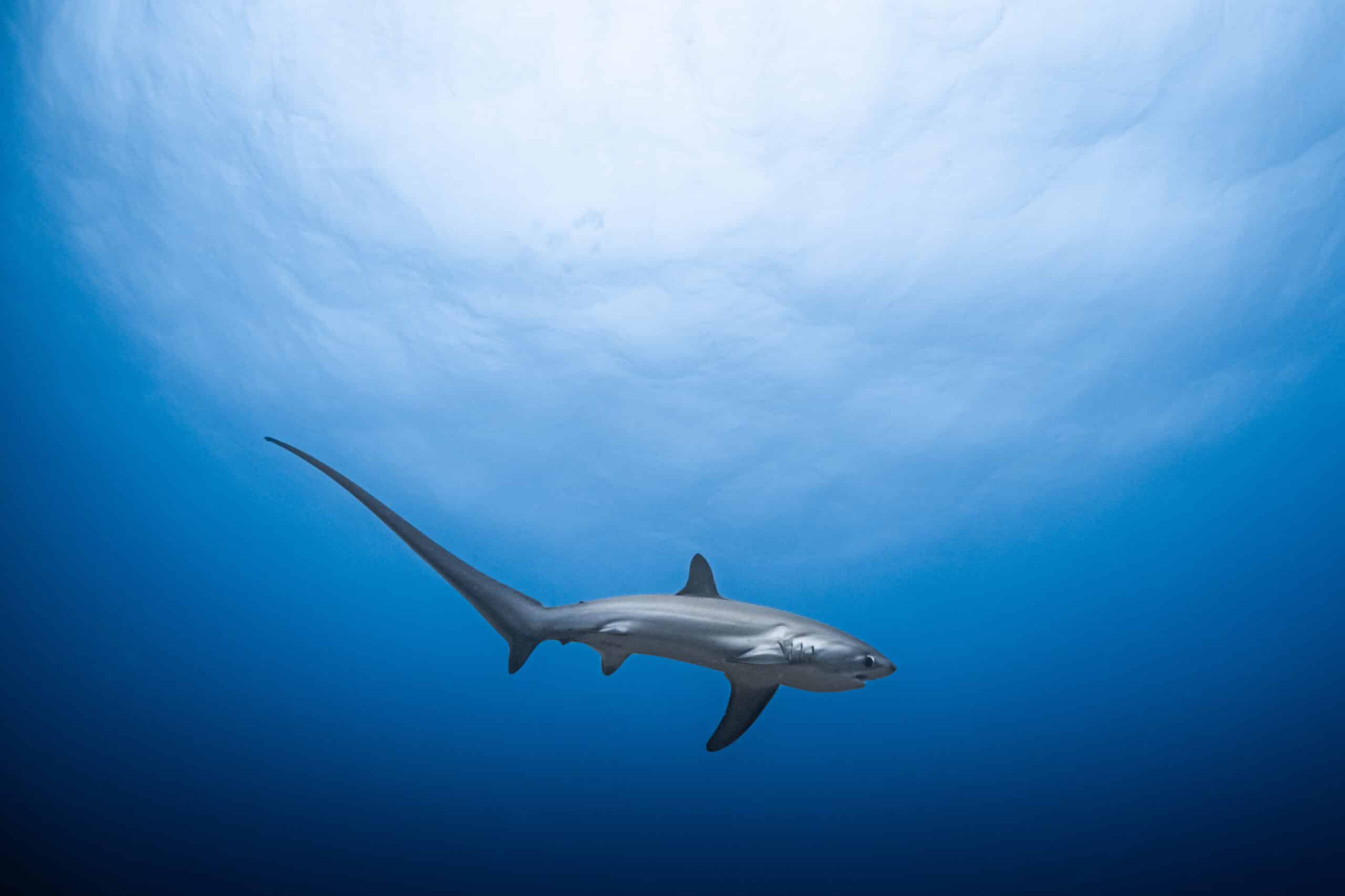
Sharks have been portrayed as monsters for decades, fueling fear through sensationalized headlines, movies, and media. But what happens when we replace fear with curiosity? By learning more about these diverse, ancient predators and the vital roles they play in ocean ecosystems, we can begin to shift our perspective—and find a path toward coexistence.
Read more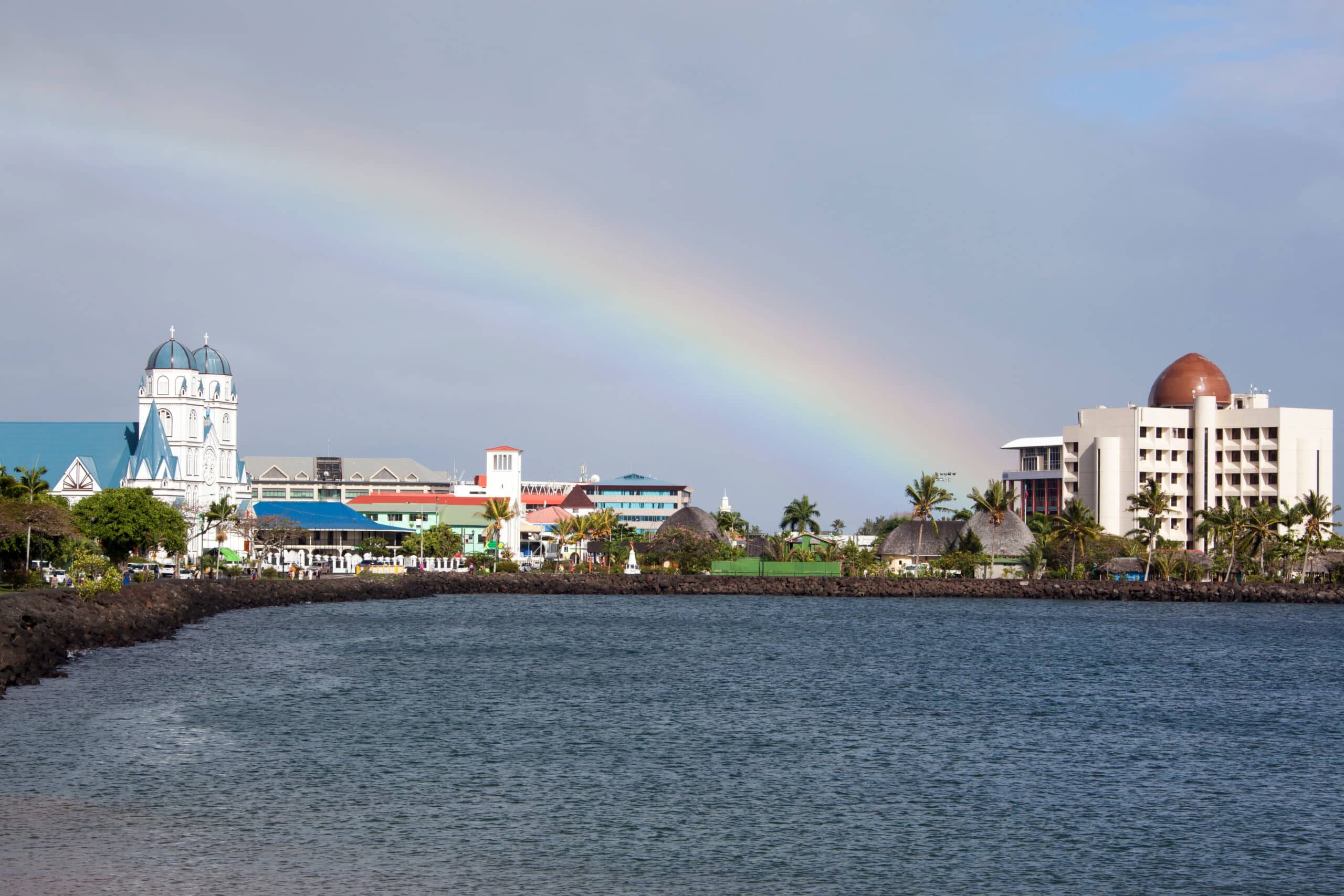
Research Director, Vinay Udyawer, reflects on his first WCPFC Scientific Committee meeting in Apia, Samoa.
Read more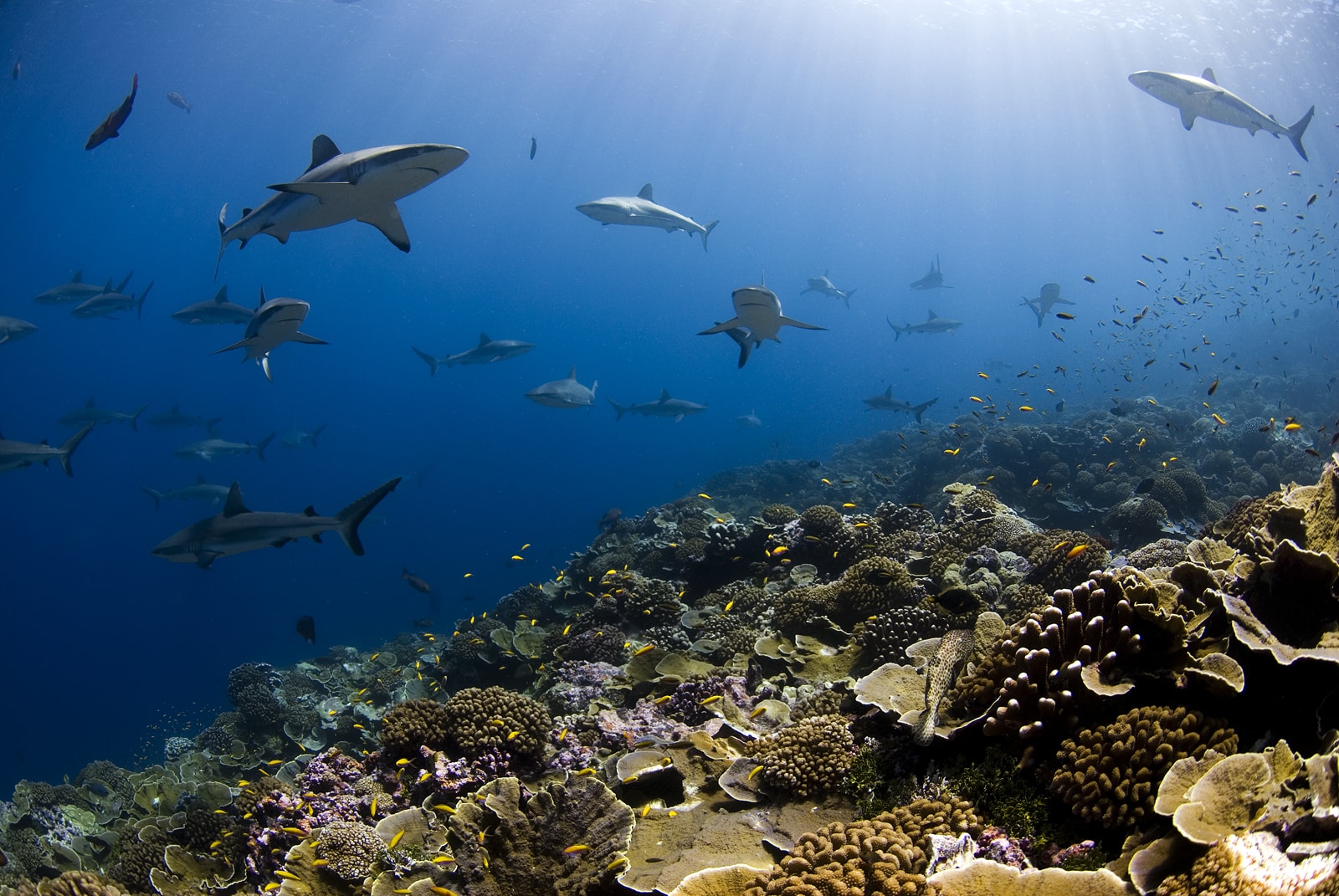
We say we need sharks, yet we rarely paint the full picture of their importance. Imagine a marine food web as a tightly woven net. Every strand represents a species which helps hold the shape of the whole. Pull one strand and the net doesn’t just lose a thread, it unravels—no longer able to hold the weight of its contents. This is the basic idea behind ecosystem balance, the health of a habitat depends not just on the presence of individuals, but on the relationships between them.
Read more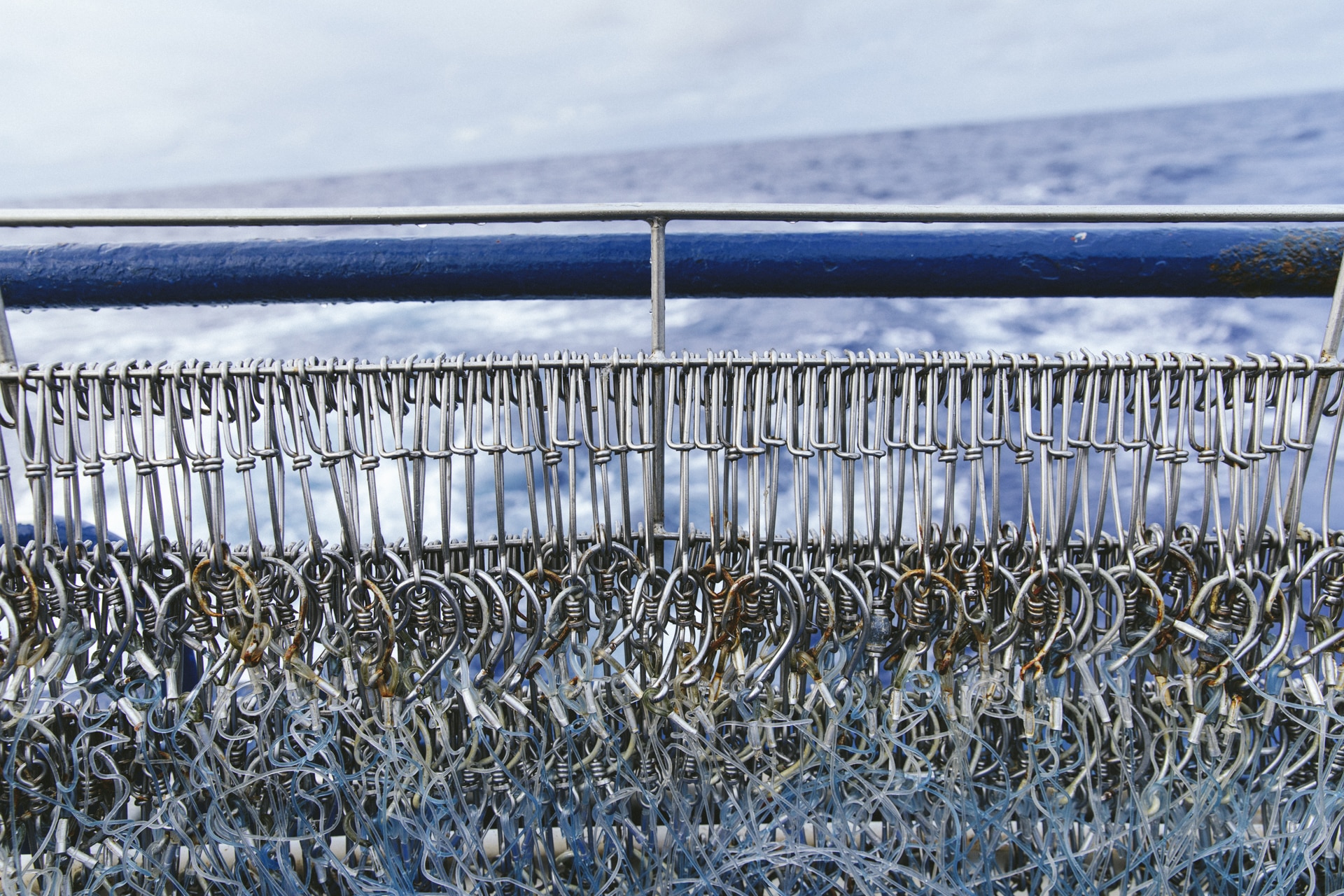
Over 600 million hooks enter the Pacific Ocean from longliner fishing vessels every year. Independent observers witness what happens on just 5% of those vessels. The rest? Invisible. And yet, fisheries observers have one of the most important jobs in terms of shark conservation.
Read more