


Through our research, we aim to provide important data on shark presence, abundance, habitat use and movement patterns in the Pacific.
Learn MoreWe reach out in person and digitally through presentations, one on one meetings, school visits, community events, multinational gatherings and more.
Our policy work occurs at three main levels, community, national and international and the policy measures span recreational and industrial fisheries, trade and ecotourism.
Learn More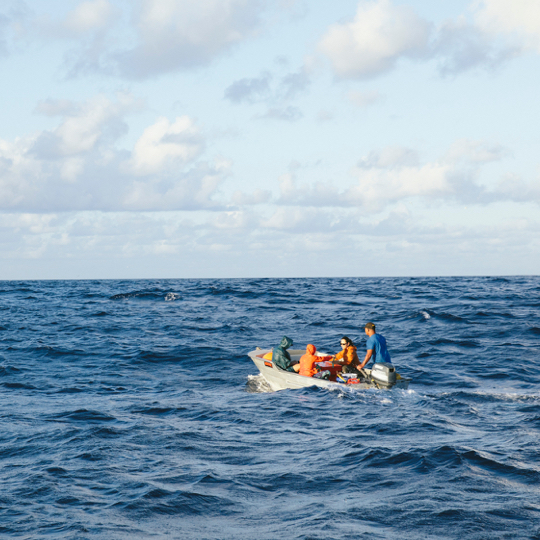
Through research, outreach, education and advocacy, we are working to understand the complex issues contributing to the decline of shark and ray populations and helping to create effective regulations that will protect them for future generations.
DonateJoin the Tag Team! During the entire month of October, Sharks Pacific is putting 100% of all donations toward the purchase of satellite tags. These tags generate critical data, which help shape better conservation policies to protect sharks and rays.


The Nat Geo Kids Almanac 2027 is full of fascinating facts about our world, from profiles on every country to discoveries about animals to details about the night sky featuring the latest images from the James Webb Space Telescope.
Learn More
“We cannot reasonably expect crews to comply with complex fisheries regulations including logbooks, bycatch mitigation, finning bans, spatial closures and other requirements when they are overworked, underpaid, isolated and afraid."
Learn More
One of the region’s most outspoken tuna advocates says the Western and Central Pacific Fisheries Commission (WCPFC) faces a credibility crisis if next week’s Manila meeting once again fails to deliver long-promised harvest strategies.
Learn More
Much of the world’s albacore tuna catch, which usually ends up in a can, comes from the southwestern Pacific Ocean, where fishery managers just passed a new set of conservation rules.
Learn More
Sharks Pacific has delivered a strong message to the Western and Central Pacific Fisheries Commission (WCPFC), warning that the region cannot claim credible fisheries management while ignoring the growing threat of marine pollution, especially abandoned fishing gear.
Learn More
Sharks Pacific Policy Director Bubba Cook says the Western and Central Pacific Fisheries Commission (WCPFC) faces a defining moment in Manila, warning that failure to adopt a management procedure for South Pacific albacore would hit Pacific economies and undermine the credibility of the Commission.
Learn More
Conservationist Alfred "Bubba" Cook and high-profile New Zealand investigator, Tim McKinnel talk to Paddy Gower about the dark underbelly of the international fishing industry and the need for greater transparency, accountability and change.
Learn More
A global initiative supporting ocean conservation efforts in the most remote corners of the tropical Pacific has sent an all-Cook Islands research team to Penrhyn.
Learn More
But there are solutions, experts say, such as regulating international trade in sharks and creating more sustainable fisheries.
Learn More
National Geographic explorer Jessica Cramp discusses how to better save sharks through improved conservation policies.
Learn More
The project surveyed nearly 400 reefs across 58 nations as part of the Global FinPrint project and concluded that sharks were virtually absent on many of the world’s coral reefs, indicating that they are too rare to fulfill their normal role in the ecosystem.
Learn More
Join the Tag Team! During the entire month of October, Sharks Pacific is putting 100% of all donations toward the purchase of satellite tags. These tags generate critical data, which help shape better conservation policies to protect sharks and rays.
Learn More
Sharks have been portrayed as monsters for decades, fueling fear through sensationalized headlines, movies, and media. But what happens when we replace fear with curiosity? By learning more about these diverse, ancient predators and the vital roles they play in ocean ecosystems, we can begin to shift our perspective—and find a path toward coexistence.
Learn More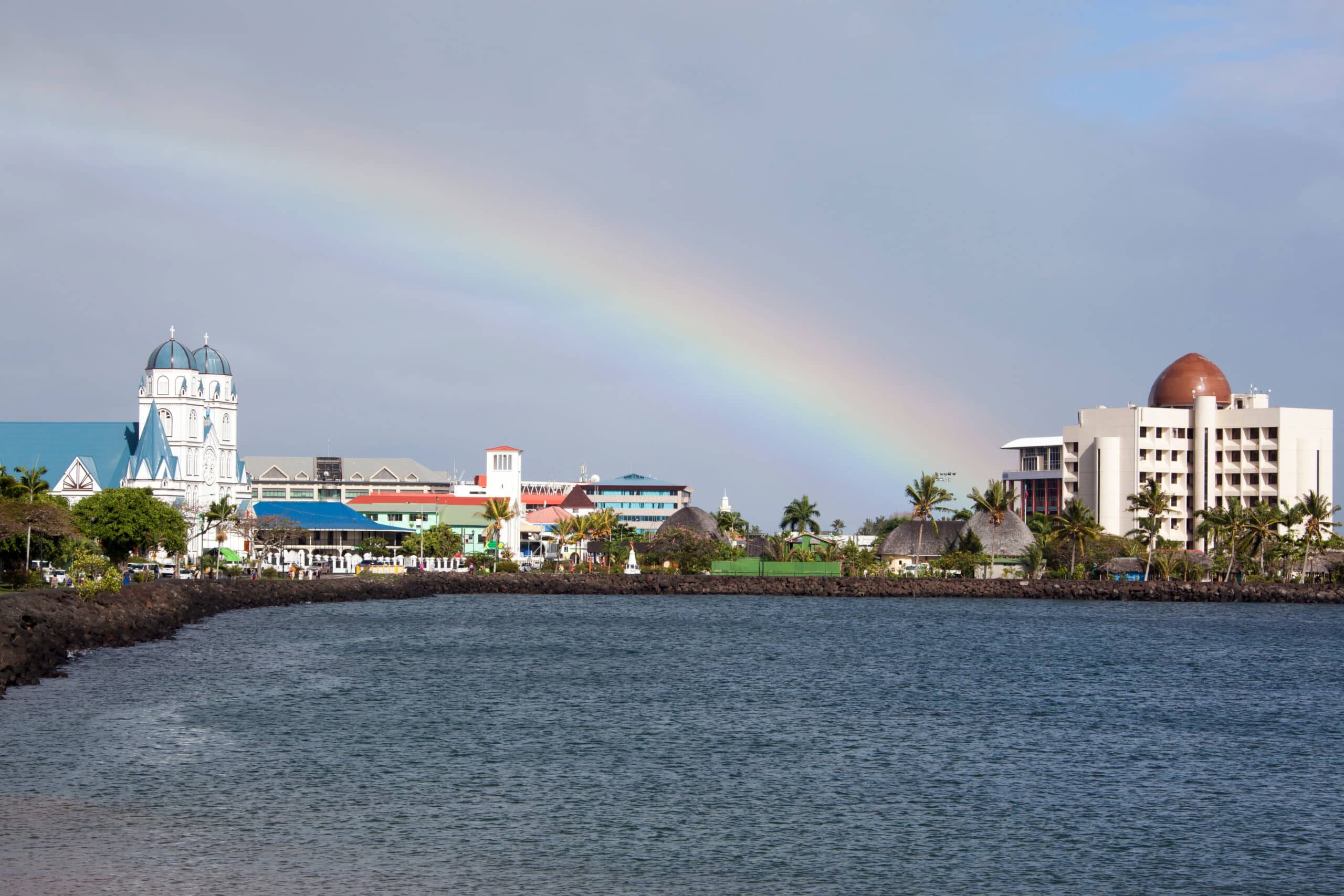
Research Director, Vinay Udyawer, reflects on his first WCPFC Scientific Committee meeting in Apia, Samoa.
Learn More